


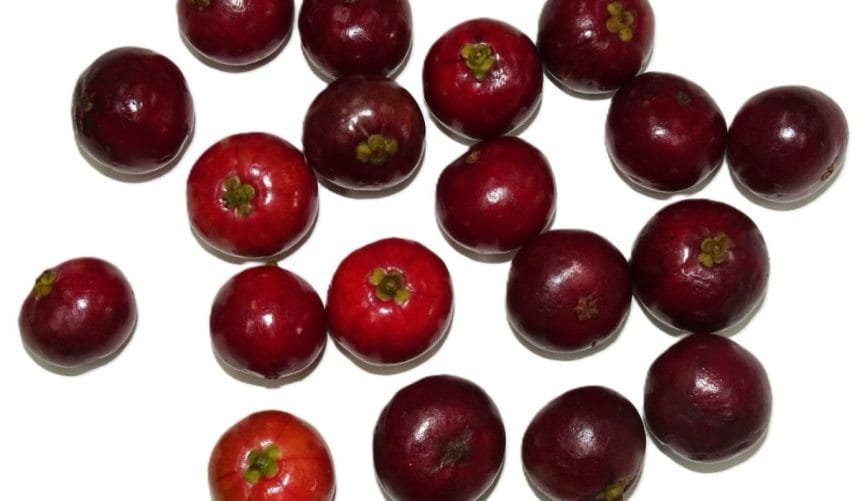
Port Blair: From a lone wild tree to a nationally registered germplasm, a rare fruit found only in South Andaman has emerged as a symbol of successful biodiversity conservation, thanks to years of dedicated research by ICAR-CIARI. In a landmark achievement for the conservation of the Andaman & Nicobar Islands’ unique flora, the ICAR-Central Island Agricultural Research Institute (ICAR-CIARI), Sri Vijaya Puram, has secured national registration of a unique germplasm of the rare Andaman Kokum (Garcinia dhanikhariensis) at the ICAR-National Bureau of Plant Genetic Resources (NBPGR), New Delhi.
Andaman Kokum is a micro-endemic species found exclusively in South Andaman. When it was first discovered in 1993, scientists had recorded only a single individual plant, making it one of India’s rarest fruit-bearing species. Recognising its immense conservation significance and commercial potential, ICAR-CIARI launched systematic research on the species in 2015 with the twin objectives of safeguarding it from extinction and unlocking its value for the food, pharmaceutical and allied industries.
As part of its conservation programme, the institute developed efficient regeneration protocols and successfully raised over 2,000 seedlings through its Horticultural Plants Propagation Unit. These seedlings have been used for habitat enrichment across the islands, enhancing the species’ genetic diversity while also creating public awareness about the importance of conserving endemic plant resources.

Scientific investigations further revealed that Andaman Kokum is rich in commercially valuable bioactive compounds such as hydroxycitric acid, anthocyanins, fatty acids and phenolic compounds, making it a promising candidate for the nutraceutical, pharmaceutical and food processing industries. Based on these findings, ICAR-CIARI recommended it as a potential fruit crop for the islands and formally christened it “Andaman Kokum” to establish a distinct national identity.
The researchers also achieved a major breakthrough by standardising grafting techniques for this dioecious species, enabling farmers to cultivate assured fruit-bearing plants instead of waiting years to identify the sex of naturally grown seedlings. Extensive field surveys carried out by the institute also led to the discovery of additional trees, including male plants that had never been documented earlier.

Years of evaluation of selected progenies culminated in the identification of a unique germplasm distinguished by its consistently large fruits and high rind content—the most economically valuable portion of the fruit.

The research findings have been published in the internationally acclaimed journals Genetic Resources and Crop Evolution and International Journal of Fruit Science, underscoring the scientific significance of this rare island species and reinforcing the Andaman Islands’ growing contribution to biodiversity conservation, agricultural innovation and sustainable utilisation of endemic plant resources.