


Delhi/Port Blair: A growing wave of public anger is sweeping across the country over the Centre’s mandatory rollout of E20 (20% ethanol-blended) petrol, with critics accusing the government of shifting the financial burden of its ambitious biofuel policy directly onto millions of vehicle owners while ensuring assured profits for large ethanol producers and corporate distilleries.
What was projected as a “green revolution” aimed at cutting crude oil imports and boosting farmers’ incomes is increasingly being portrayed by consumer groups, opposition leaders and legal petitioners as a policy that forces motorists to pay the same price for a fuel that delivers lower mileage and, in many cases, accelerates engine wear.
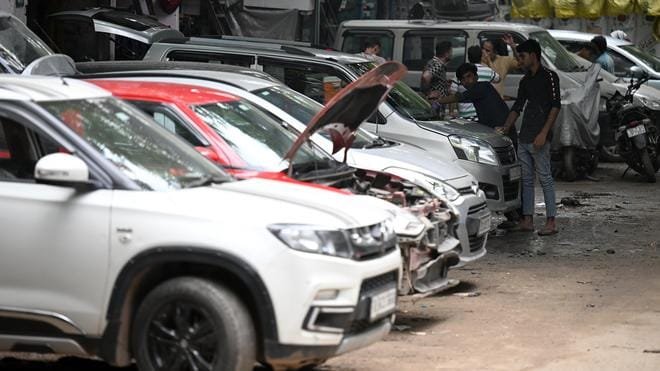
The controversy stems from the nationwide replacement of conventional petrol with E20 fuel at retail outlets, leaving consumers with virtually no choice but to purchase ethanol-blended petrol regardless of whether their vehicles are designed to use it. Owners of older vehicles have reported fuel-efficiency losses ranging from 10 to 20 per cent, resulting in higher fuel consumption and increased running costs.

Automobile experts point out that ethanol contains less energy than conventional petrol, meaning vehicles travel fewer kilometres per litre. For owners of vehicles not engineered for higher ethanol blends, concerns have also been raised over faster deterioration of rubber seals, fuel lines and engine components, potentially leading to expensive repairs and reduced vehicle life.
Consumer activists argue that motorists are effectively paying full market price for a product with lower energy content, calling it an “invisible tax” on every kilometre travelled. They contend that while households absorb higher fuel bills and maintenance expenses, ethanol manufacturers—including sugar mills, grain-based distilleries and large biofuel companies—benefit from government-backed procurement mechanisms and assured demand.

The issue has now entered the legal arena, with petitions reportedly reaching the Supreme Court and consumer forums questioning whether the absence of a pure petrol (E0) option violates consumer choice and amounts to unfair trade practice. Petitioners are also demanding greater transparency regarding the long-term impact of E20 fuel on existing vehicles and seeking compensation for consumers if vehicle performance is adversely affected.

The government, however, continues to defend the ethanol blending programme as a strategic national initiative. Officials maintain that the policy will reduce India’s dependence on imported crude oil, lower carbon emissions, strengthen energy security and create additional income opportunities for farmers by expanding the market for sugarcane and grain-based ethanol.
Despite these assurances, the growing backlash has intensified demands for the restoration of conventional petrol alongside E20, allowing motorists to decide which fuel best suits their vehicles. Critics insist that consumers should not be compelled to shoulder the economic cost of a policy that primarily benefits large-scale ethanol suppliers.
More Read

As the political debate intensifies and legal scrutiny gathers pace, the controversy has evolved into a larger question of consumer rights. For millions of Indian motorists, the issue is no longer merely about cleaner fuel—it is about whether they are being forced to finance the country’s biofuel ambitions through higher operating costs and reduced vehicle performance.