



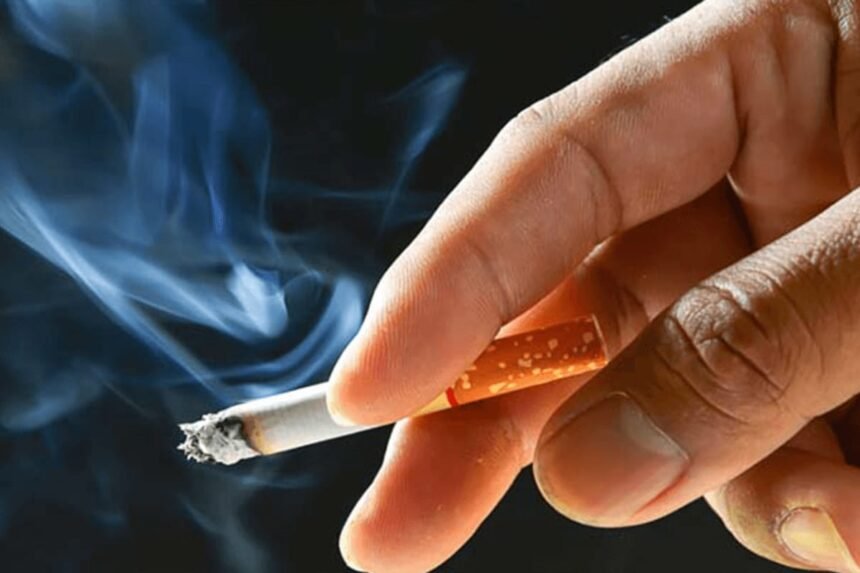
Port Blair: While the Andaman and Nicobar Islands have registered a modest decline in tobacco consumption over the past few years, the latest National Family Health Survey (NFHS-6) paints a troubling picture: more than half of the adult male population and over one-fourth of women in the Islands continue to consume tobacco, placing the Union Territory among the worst-affected regions in the country and highlighting the urgent need for intensified public health interventions.
According to the NFHS-6 Fact Sheets for 2023-24, 52.1 per cent of men aged 15 years and above in the Andaman and Nicobar Islands use some form of tobacco. The figure places the Islands among the highest tobacco-consuming regions in the country, exceeded only by Mizoram (73.6 per cent) and Meghalaya (57.8 per cent), while sharing the next position with Tripura (52.1 per cent).
The situation among women is equally alarming. The survey found that 26.6 per cent of women aged 15 years and above consume tobacco, making the Andaman and Nicobar Islands the fourth-highest tobacco-consuming state or Union Territory among women in India. Only Mizoram (61 per cent), Tripura (47.7 per cent) and Meghalaya (34.6 per cent) reported higher prevalence rates.

The figures stand in stark contrast to the national averages, which are 36.3 per cent among men and just 8.4 per cent among women. Particularly concerning is the fact that tobacco consumption among women in the Islands is more than three times the national average, pointing to a deeply entrenched public health challenge.
The survey also exposes a pronounced rural-urban divide. Among men, tobacco use stands at 61.9 per cent in rural areas compared to 38.3 per cent in urban centres. Among women, the disparity is even wider, with 38.1 per cent of rural women consuming tobacco against only 10.4 per cent in urban areas.
Health experts warn that such high levels of tobacco consumption are closely linked to an increased risk of cancers, heart disease, stroke, chronic respiratory illnesses and a range of other non-communicable diseases. The economic burden arising from tobacco-related illnesses further compounds the challenge for families and healthcare systems alike. Although the latest figures indicate a decline from NFHS-5 (2019-21), when 58.7 per cent of men and 31.2 per cent of women reported tobacco use, the reduction of 6.6 percentage points among men and 4.6 percentage points among women has not been sufficient to significantly improve the Islands’ national standing.
Public health advocates say the findings should serve as a wake-up call for authorities, educational institutions, community organisations and civil society groups. They argue that awareness campaigns alone will not be enough. What is needed is a comprehensive and sustained strategy involving stricter enforcement of tobacco-control laws, stronger regulation of tobacco sales, expansion of cessation and counselling services, targeted interventions in rural areas and intensive anti-tobacco education among young people.
The latest NFHS findings suggest that while progress has begun, the battle against tobacco in the Andaman and Nicobar Islands remains far from over. With more than one in every two adult men and one in every four adult women still consuming tobacco, the need of the hour is a renewed and coordinated public health campaign to prevent addiction, reduce disease burden and secure a healthier future for the Islands.