


Port Blair: With rising concerns over soil degradation, climate vulnerability and increasing dependence on chemical fertilizers, scientists from the ICAR-Central Island Agricultural Research Institute (CIARI) have called for a major shift towards sustainable and entrepreneurial farming practices tailored for the fragile island ecosystem.
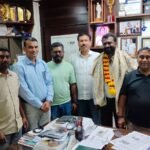
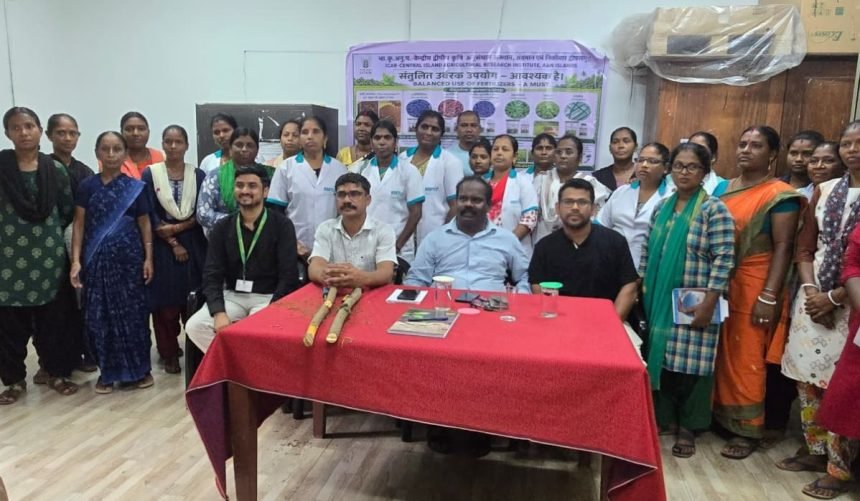
At a farmer sensitization programme held at Guptapara Panchayat on May 21, experts urged cultivators, women-led groups and Self-Help Groups (SHGs) to embrace climate-resilient agriculture, organic nutrient management and diversified farming systems capable of improving both livelihoods and environmental sustainability. The programme, organised by ICAR-CIARI, focused on the theme “Balanced Use of Fertilizers and Entrepreneurial Farming”.
Focus on Soil Health and Organic Alternatives:
Addressing the gathering, Dr. M. Muruganandam, Principal Scientist and Head of the Fisheries Science Division, stressed that excessive dependence on chemical fertilizers like urea and DAP was neither economically sustainable nor environmentally safe for island agriculture.
He advocated wider adoption of organic farming inputs such as vermicompost, farmyard manure, biofertilizers and biological nutrient sources. Farmers were also encouraged to cultivate legumes, pulses, beans and Azolla to naturally enrich soil nitrogen levels. Highlighting the growing importance of water conservation, he recommended rainwater harvesting and integrated fish farming models to enhance farm productivity and improve resilience against climate-related uncertainties.

Indigenous Crops Hold Key: Senior Scientist (Spices) Dr. Ajit Singh Waman underlined the importance of promoting indigenous and climate-resilient fruit crops that thrive with minimal external inputs.
He said native varieties such as Cowphal, Goonphal and Kattaphal could play a crucial role in strengthening food and nutritional security while reducing farming costs.
Dr. Waman also highlighted the entrepreneurial scope in spice cultivation, especially cinnamon farming, and demonstrated scientific bark extraction and harvesting methods aimed at improving both yield and market value.
Monsoon Preparedness for Livestock Farmers:
Speaking of livestock management, Dr. Rafeeque Rahman Alyethodie, Senior Scientist (Animal Genetics and Breeding), advised farmers to prepare in advance for monsoon-related animal diseases. He stressed the need for timely vaccination, hygienic animal shelters, balanced feeding practices and proper veterinary care to reduce seasonal livestock losses in small-scale farming systems.
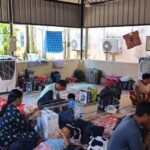
Role of SHGs and Farmer Collectives: Village Pradhan Durlapdas highlighted the growing importance of Self-Help Groups and farmer collectives in strengthening rural agricultural enterprises through collective marketing, value addition and improved market access. The programme concluded with interactive discussions between scientists and farmers on sustainable farming opportunities suited to the unique ecological conditions of the islands.