


Port Blair (Sri Vijaya Puram): Frequent spells of heavy rain have failed to bring lasting relief from Andaman’s recurring water crisis, with rationed supplies and appeals for conservation continuing to underscore the gap between the islands’ freshwater needs and the system’s ability to deliver it. That’s what has been inferred after obtaining the opinions from a cross section of the people in this city.
While the Public Health Engineering Division (PHED) of the Andaman Public Works Department (APWD) is taking its water conservation message to the streets through awareness campaigns and nukkad nataks, the continuing crisis raises a larger question: why does water scarcity persist despite rainfall and decades of water supply planning?
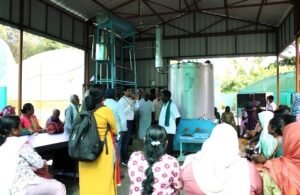
The department organised street plays at Bathu Basti, Burma Nallah and Manglutan on October 10, urging residents to avoid wastage, adopt rainwater harvesting and promote groundwater recharge. Local representatives, members of Panchayati Raj Institutions and departmental officials participated in the programmes to reinforce the message that freshwater is a limited resource requiring careful management.

APWD has attributed the need for conservation to inadequate rainfall and appealed to residents to use water judiciously. Its recommendations include turning off unused taps, repairing leaks, reusing water wherever possible and reporting pipeline leakages promptly.
These are sensible measures, but public cooperation alone cannot resolve a structural problem. The persistence of supply restrictions despite spells of rain raises concerns over the adequacy of water storage, rainwater harvesting infrastructure, distribution networks and the implementation of successive water supply schemes. Rainfall can provide only temporary relief if the system lacks the capacity to capture, store, treat and distribute water efficiently.

The challenge is particularly significant for an island territory where freshwater resources are limited and dependence on seasonal rainfall makes reliable storage and distribution essential. Effective planning must therefore extend beyond awareness campaigns to measurable improvements in infrastructure, maintenance and water management.

APWD has said its conservation campaign will continue in the coming weeks through outreach programmes targeting households and community centres across the islands. The department has also acknowledged the contribution of residents who report leakages and cooperate with conservation initiatives.
However, the larger test will be whether these appeals are matched by sustained action to strengthen the water supply system. Citizens can help prevent wastage, but ensuring dependable access to water also requires accountable planning, timely execution of projects and effective maintenance of infrastructure.

For island residents facing recurring shortages, the pressing question is not merely how to save every drop, but why the system continues to struggle to deliver enough water in the first place.