


Port Blair(Sri Vijaya Puram): Viper Island’s long-awaited development story is now entering a crucial public-scrutiny phase, with the Andaman & Nicobar Administration scheduling a public hearing on September 30 on the Draft Integrated Island Management Plan (IIMP) for the historically significant island.
The hearing, being conducted in connection with the IIMP process under the EIA Notification, 2006, will be held at 11 am at the Conference Hall of the Office of the Deputy Commissioner, South Andaman District. The Administration has invited the public and stakeholders to place their suggestions, objections and views before the plan moves further. The official notice for the hearing was uploaded on September 25.
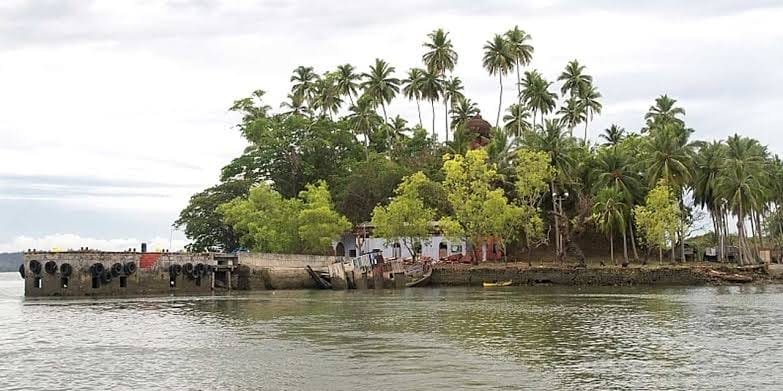
The move assumes significance because Viper Island, spread over about 31.94 hectares, has for years figured in successive tourism and heritage-development proposals. The island, located off Sri Vijaya Puram, carries the remains of the colonial-era prison and gallows and is closely associated with the history of the freedom struggle. The Directorate of Art and Culture lists restoration of the Gallows and Guard House among its heritage-conservation achievements.

The present exercise, however, is not merely about tourism infrastructure. An IIMP is intended to provide an integrated framework covering development, conservation and preservation, infrastructure and public facilities, with development activities to be aligned with an approved plan.
Viper Island has previously been projected as a major tourism destination. The A&N Tourism Policy had envisaged developing the island as an “entertainment hub” while retaining its historical ambience, including development through a public-private partnership framework.

More recently, the Administration through ANIIDCO invited consultancy proposals for a Development Plan for Viper Island and a Tourism Circuit. The 2024 terms of reference envisaged a wider tourism-and-heritage concept involving Viper Island, Chatham, NSCB Island and Mithakhari.
The proposed development components listed in that exercise included a museum and visitor centre, multimedia presentation on the island’s history, guided heritage trail, improved tourist amenities, signage and interpretation facilities, landscaping and horticulture, water-body beautification and an eco-friendly resort, besides other tourism-support infrastructure. The plan also called for conservation and management of existing heritage structures and sustainable development in accordance with environmental sensitivities.
That earlier development exercise makes the present IIMP hearing particularly important: the central question is not simply how Viper Island should be opened up for tourism, but what kind of development is environmentally, historically and socially appropriate for a small heritage island.
More Read

The Environment & Forest Department has already placed the Draft IIMP, Draft Report, Land Use Map and Geomorphology Map of Viper Island in the public domain.
With the September 30 hearing, the Administration is now seeking stakeholder participation before the planning process advances further. For an island where heritage conservation, tourism ambitions, ecological sensitivity and infrastructure development intersect, the hearing provides an important opportunity for these competing considerations to be placed on record.